

Engine Mounting Replacement Cost Malaysia: Symptoms, Causes & Repair Guide
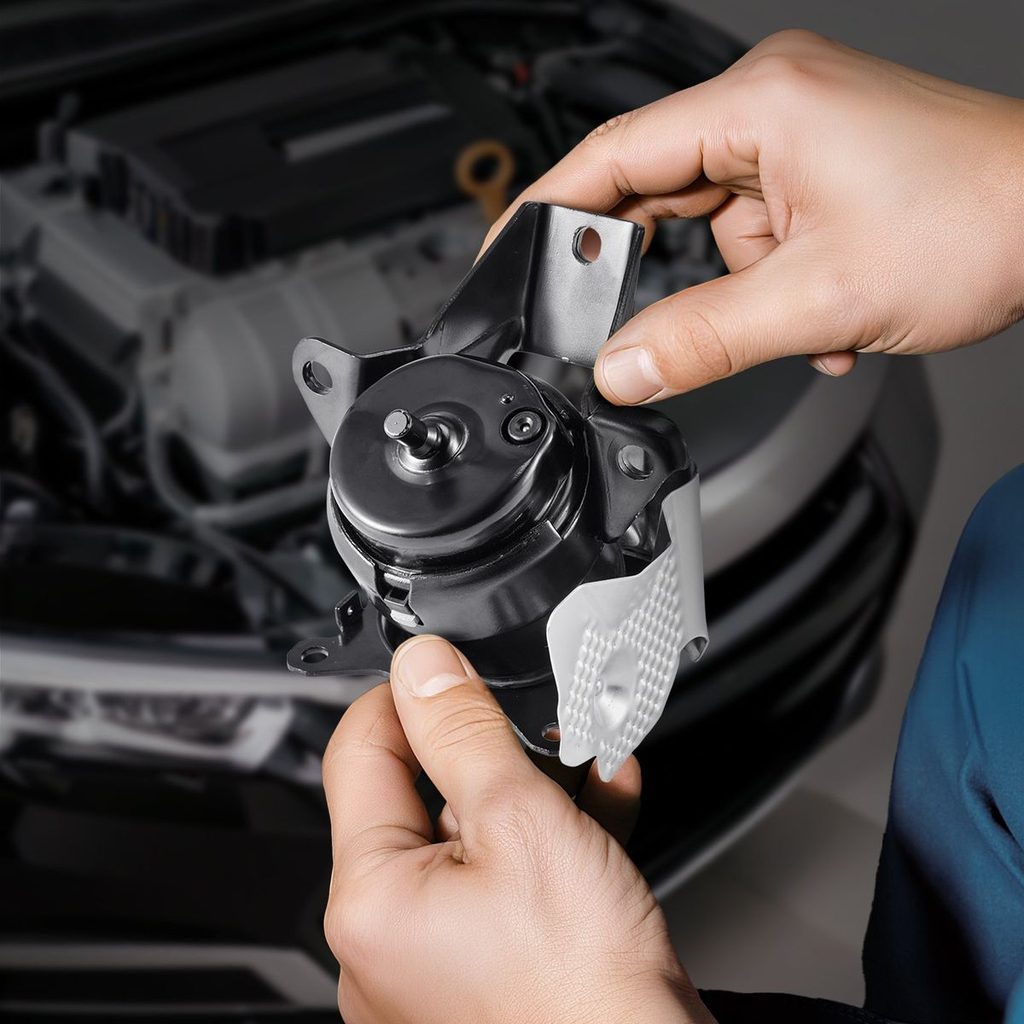
Engine mounting replacement cost Malaysia is a common concern among car owners experiencing excessive engine vibration, knocking sounds or unusual movement from the engine compartment.
Engine mountings are important components that secure your engine to the vehicle’s chassis while helping absorb engine vibrations. When they become worn or damaged, you may notice changes in driving comfort, unusual noises and excessive engine movement.
Whether you drive a Perodua Myvi, Proton Saga, Honda City, Toyota Vios, Proton X50, BMW, Mercedes-Benz or Volkswagen, understanding engine mounting problems can help you identify when your vehicle needs attention.
In this guide, DAS Malaysia explains the common symptoms of faulty engine mountings, why they fail, replacement cost factors and when to get your vehicle inspected.
What Is an Engine Mounting and What Does It Do?
An engine mounting is a component that connects the engine and, in many vehicles, the transmission to the vehicle’s chassis or subframe.
It is designed to perform two main functions:
- Support the engine: Keeps the engine securely positioned inside the vehicle.
- Reduce vibration: Absorbs engine movement and vibrations to improve driving comfort.
Most engine mountings use rubber, hydraulic fluid or a combination of materials to absorb movement and vibration.
Over time, exposure to engine heat, vibration, road conditions and normal wear can cause the mounting material to deteriorate.
When this happens, the mounting may no longer support the engine effectively.
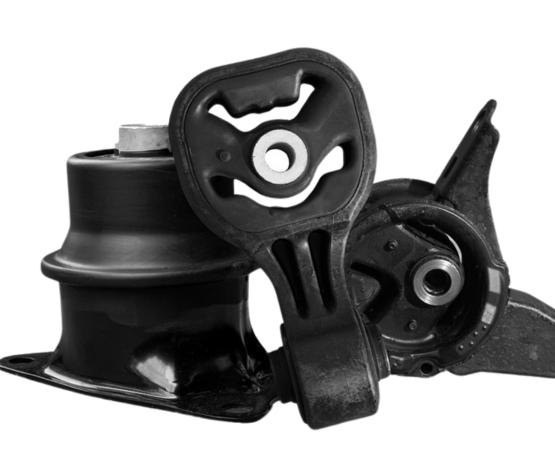
6 Signs You May Need Engine Mounting Replacement
Faulty engine mountings can affect how your vehicle feels and sounds during everyday driving.
Here are six common symptoms to look out for.
1. Excessive Engine Vibration
One of the most common signs of a worn engine mounting is excessive vibration.
You may notice your steering wheel, dashboard or cabin vibrating more than usual, especially when the vehicle is stationary with the engine running.
This happens because the mounting may no longer absorb engine vibrations effectively.
2. Knocking or Clunking Sounds
Do you hear a knocking or clunking sound when starting your engine, accelerating or changing gears?
A damaged engine mounting may allow excessive engine movement, causing components to make contact or produce unusual noises.
However, similar sounds can also come from suspension components, exhaust systems or other mechanical parts.
3. Engine Movement When Accelerating
Engine mountings help control engine movement during acceleration and deceleration.
If a mounting is worn or broken, the engine may move more than usual when you press the accelerator or release it.
Excessive movement should be inspected to prevent additional stress on connected components.
4. Increased Vibration When Shifting Gears
For automatic vehicles, you may notice stronger vibrations when shifting between Park, Reverse and Drive.
This can happen when worn mountings fail to absorb the movement and vibration produced during gear engagement.
However, transmission-related problems can cause similar symptoms and should not be ruled out.
5. Unusual Vibration While Idling
If your car vibrates noticeably while waiting at a traffic light or when the air-conditioning is running, faulty engine mountings could be one possible cause.
The vibration may become more noticeable when the engine is under additional load.
An inspection can help determine whether the issue comes from the mountings, engine operation or another component.
6. Visible Cracks or Damage on the Mounting
In some cases, the condition of an engine mounting can be identified through a physical inspection.
A technician may find:
- Cracked or deteriorated rubber
- Torn mounting material
- Hydraulic fluid leakage from hydraulic mountings
- Excessive movement or separation
Not all damaged mountings are easy to identify visually, so proper inspection is important.
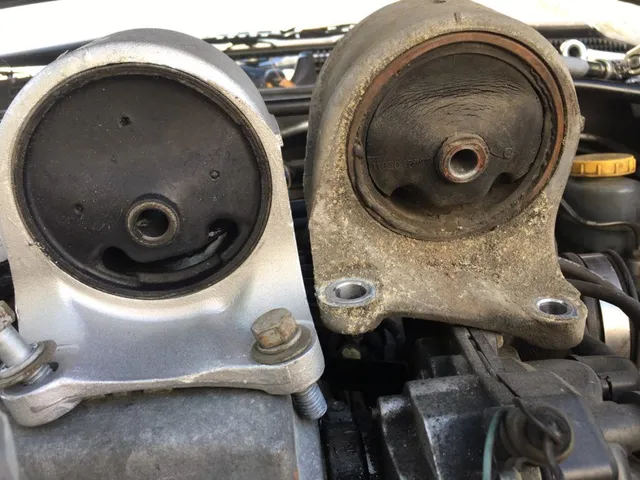
What Causes Engine Mountings to Wear Out?
Engine mountings naturally deteriorate over time. However, several factors can affect how quickly they wear out.
1. Normal Wear and Tear
Engine mountings experience continuous vibration and movement while the engine is running.
After years of use, rubber materials may become hardened, cracked or damaged.
2. Engine Heat
The engine compartment is exposed to high temperatures during normal operation.
Prolonged heat exposure can accelerate the deterioration of rubber mounting materials.
3. Driving Conditions
Frequent driving on uneven roads, potholes and rough surfaces can increase vehicle movement and vibration.
Over time, these conditions may contribute to additional stress on engine mountings.
4. Engine or Transmission Problems
Engine misfires, excessive engine movement and other mechanical issues may create unusual vibrations or movement.
These conditions can affect mounting performance and should be checked together during an inspection.
How Much Does Engine Mounting Replacement Cost in Malaysia?
Engine mounting replacement cost Malaysia varies depending on your vehicle’s make, model, engine design and the type of mounting required.
There is no single replacement price that applies to every vehicle.
Here are four factors that can affect the overall cost.
1. Vehicle Make and Model
Different vehicles use different engine mounting designs and specifications.
For example, engine mounting parts for a Perodua Myvi may differ significantly from those used in a Honda City, Toyota Vios, BMW or Mercedes-Benz.
The vehicle’s engine configuration and mounting arrangement also affect the replacement process.
2. Number of Mountings Requiring Replacement
A vehicle may have multiple engine and transmission mountings.
Depending on the inspection results, only one mounting or several mountings may require replacement.
Replacing every mounting is not automatically necessary. The actual condition of each component should be assessed first.
3. Original Equipment and Aftermarket Parts
The cost also depends on the type and brand of replacement parts selected.
Original equipment and aftermarket options may differ in material, specifications, warranty and pricing.
Always make sure the replacement mounting is compatible with your vehicle.
4. Labour and Installation Complexity
Some engine mountings are easier to access, while others require additional components to be removed or the engine to be properly supported during installation.
This can affect the labour time and overall replacement cost.
Before approving the repair, request a breakdown of the parts, labour and any additional work required.
Can You Still Drive With a Faulty Engine Mounting?
Driving with a worn engine mounting may still be possible in some situations, depending on the severity of the damage.
However, it is not advisable to ignore the symptoms.
A severely damaged mounting may allow excessive engine movement, potentially placing additional stress on connected components such as hoses, wiring, exhaust connections and other mountings.
If you experience strong vibration, loud knocking sounds or noticeable engine movement, arrange an inspection as soon as possible.
Avoid continuing to drive if the engine appears unstable or there are signs of severe mechanical damage.
How Is an Engine Mounting Problem Diagnosed?
Engine vibration does not always mean your engine mounting needs replacement.
Other problems, including engine misfires, ignition issues, transmission faults and worn suspension components, can produce similar symptoms.
A proper inspection helps identify the actual cause before any replacement is recommended.
At DAS Malaysia, our approach is:
Inspect. Diagnose. Explain. Repair.
We believe car owners should understand the condition of their vehicle and the reason behind each recommended repair before proceeding.
Where to Get Engine Mounting Inspection in Klang Valley?

If your vehicle has excessive engine vibration, unusual knocking sounds or other possible mounting-related symptoms, consider getting it inspected.
📅 Book your appointment today.
📍 Glenmarie, Shah Alam
📍 Kota Damansara, The Strand
📍 Bandar Puteri, Puchong
☎️ Call/WhatsApp: 011-1313 1903 (Shah Alam) 011-13132193 (Kota Damansara) 011-56650538 (Bandar Puteri)
Getting your vehicle checked before a long journey can give you greater confidence on the road.
Whether you are driving a local, Japanese or European vehicle, regular inspections and timely maintenance help keep your car in better condition.
Planning a year-end road trip? Contact DAS Malaysia to enquire about a vehicle inspection before your journey.
In DAS, We Inspect. We Service. We Care.
Frequently Asked Questions (FAQs)
1. How long do engine mountings usually last?
Engine mounting lifespan varies depending on the vehicle, driving conditions, material and maintenance history. There is no fixed replacement interval for all vehicles. Have them inspected if you notice unusual vibration or movement.
2. How do I know if my engine mounting is damaged?
Common symptoms include excessive engine vibration, knocking sounds, increased movement during acceleration and unusual vibration when shifting gears. A physical inspection is needed to confirm the condition.
3. Do I need to replace all engine mountings at once?
Not necessarily. The number of mountings requiring replacement depends on their individual condition. A technician should inspect the mountings before recommending replacement.
4. Can faulty engine mountings cause vibration when the car is stationary?
Yes. Worn engine mountings may fail to absorb normal engine vibration effectively, making the vibration more noticeable while idling.
